3600 Bee Caves Rd Suite 103, Austin, TX 78746, United States, Austin, TX Mon-Fri: 7:00 AM - 9:00 PM · Sat-Sun: 7:00 AM - 6:00 PM
6+ Years in Austin · Licensed & Insured

Roofing Contractor in Austin, TX Built for Hail, Heat & Hillside Homes

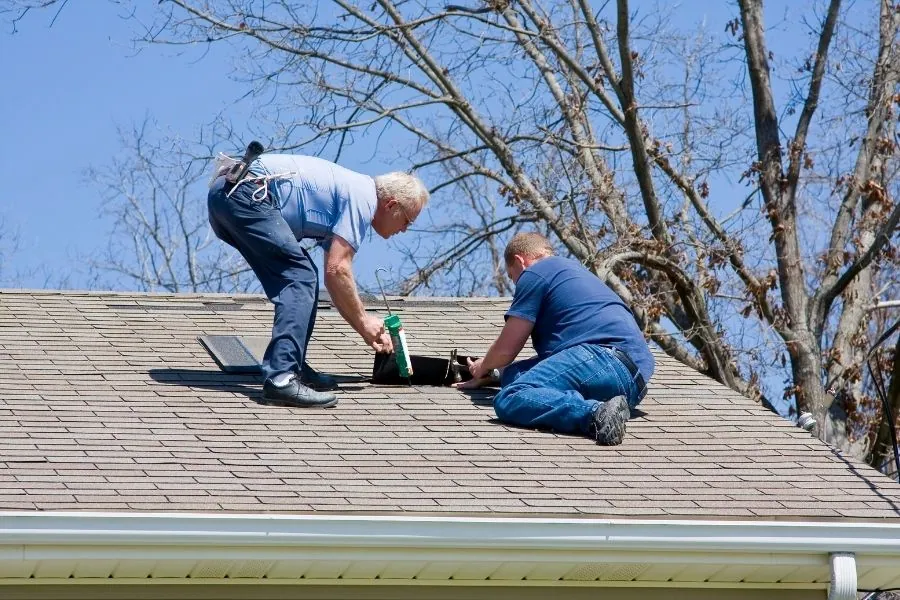
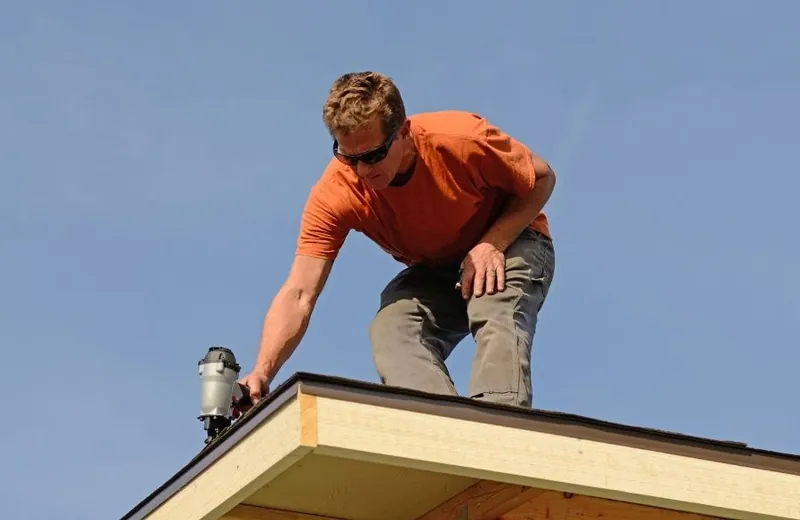
Austin roofs have a rough job. Spring supercells push golf-ball hail down the I-35 corridor. Summer sun bakes dark shingles past 150°F, and many summers bring dozens of 100-degree days. Every so often a freeze like Uri drops live-oak limbs straight through the decking. That's why so many roofs here wear out years before their rated lifespan. West Austin Top Roofers repairs, replaces and inspects roofs with that wear in mind. We pay close attention to flashing and ventilation, photograph every problem we find and give you a written estimate before any work starts.

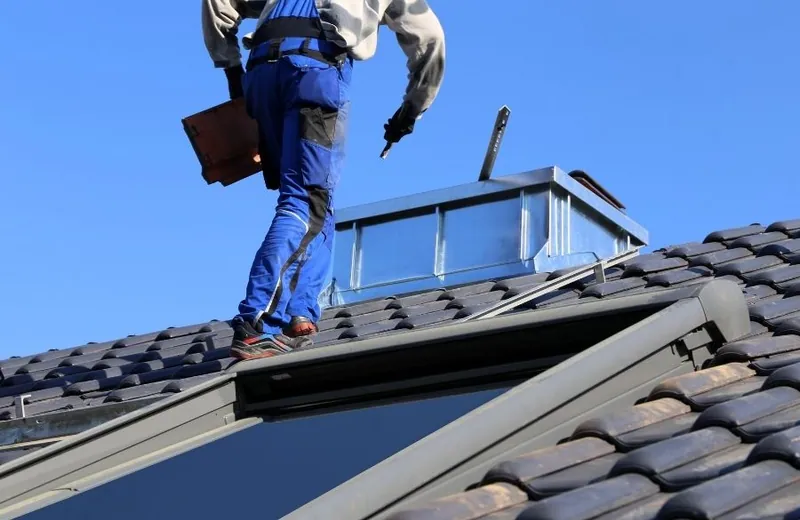
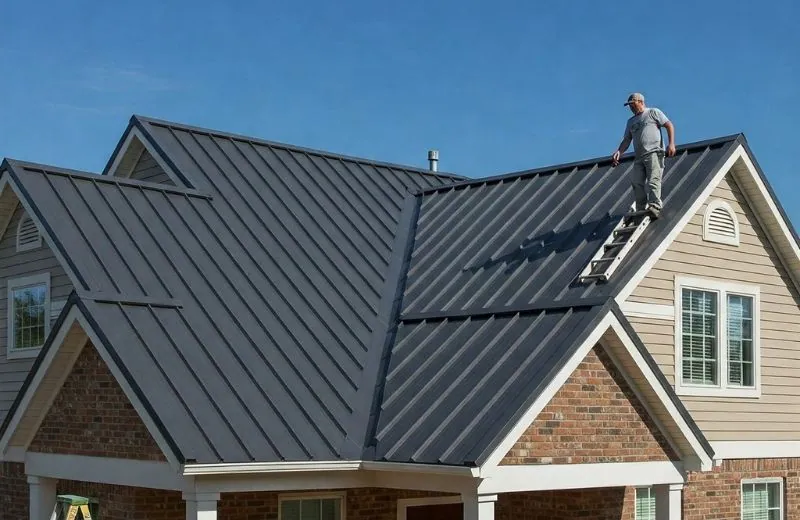
Most of our work is on the west side, where homes sit on hillsides with steep pitches, several gables and mature trees overhead. We plan each job around safe access, protecting your landscaping and cleaning up debris thoroughly. We've worked on Barton Creek tile roofs, standing seam metal in West Lake Hills and Rollingwood, and tired 1990s shingle roofs in Shady Hollow and Manchaca. We know the local permit offices, the HOA approval process and what Austin's hail does to each type of roofing material.

  • Serving Austin homeowners since 2020
  • Bonded and insured
  • Photo documentation of every finding

Austin homeowners pick us for clear photo documentation, written estimates before work starts and crews who treat steep hillside homes and mature trees with care.

Request Your Free Estimate

No obligation. Fast, honest quotes.

Your information is never shared.

Online Estimates
Onsite Service
Licensed & Insured
Customer Rated
Local Expertise

Why Austin Roofs Need a Contractor Who Knows Central Texas

Austin sits on the Balcones Escarpment, where the Hill Country meets the Blackland Prairie. That puts it in a strip of weather, soil and building styles that's hard on roofs. Knowing how these local conditions combine is what separates a roof that lasts from one that fails early.

Hail Alley Storms, Triple-Digit Heat and Flash Flood Alley

Central Texas is one of the most hail-prone corridors in the country. Between March and June, supercells regularly drop hail the size of golf balls or larger, along with straight-line winds. Then summer arrives. Austin logged more than 40 days at or above 100°F in 2011, 2022 and 2023, and a sun-facing asphalt roof can top 150–170°F. At those temperatures shingles lose oils, shed granules and turn brittle, and south- and west-facing slopes age fastest. The area gets about 34–36 inches of rain a year, but much of it comes in violent bursts. Wind-driven rain in 'Flash Flood Alley' tests every valley and flashing joint. Freezes are rare, but Winter Storm Uri in 2021 and the 2023 ice storm caused ice dams and limb strikes that left hidden decking damage across the city.

A Housing Stock Built in Layers

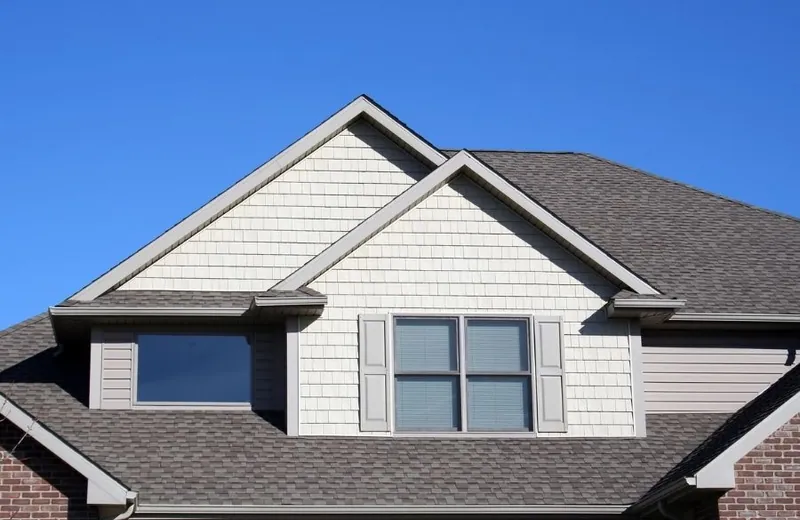
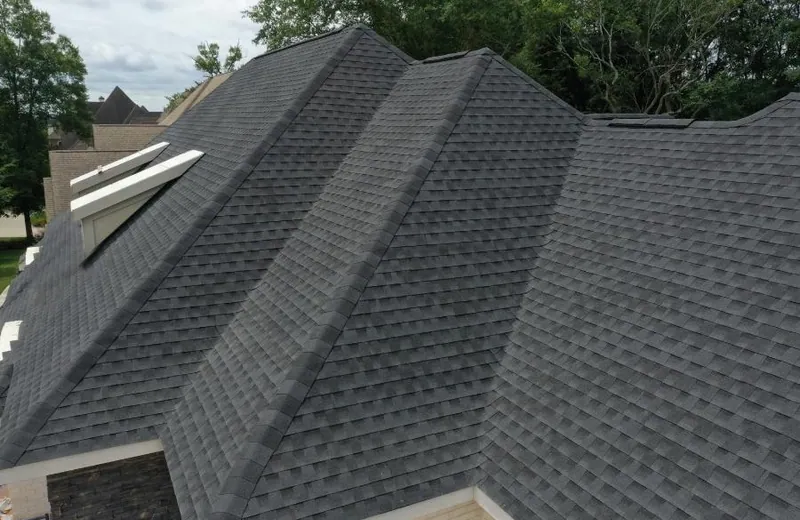
Each era of Austin housing comes with its own roof problems. Pre-1940 bungalows in Hyde Park, Travis Heights and Old West Austin often hide skip-sheathing under old shingle layers, so they need a full re-deck. Ranch homes from the 1950s–70s in Allandale, Crestview and Barton Hills have low pitches, undersized attic ventilation and old plank decking. Tract homes from the 1980s–2000s in Circle C, Wells Branch and Shady Hollow have cut-up roofs with lots of valleys, and many are at the end of their life. On the west side, custom homes in Westlake, Rollingwood and Barton Creek carry tile, slate and standing seam metal on steep hillside lots. Newer infill around Mueller and east Austin mixes low-slope TPO with parapets, and those transitions are frequent leak points.

Permits, Historic Districts and HOAs

The City of Austin's Development Services Department requires a building permit for re-roofing. Inspections can include the decking and a final check. New roofs must meet current code for underlayment, ice/water barrier at valleys and penetrations, ventilation and fastening, and overlaying a second layer of shingles is restricted. In historic districts like Hyde Park and Clarksville, changing a roofing material visible from the street may need Historic Landmark Commission review. West Lake Hills, Rollingwood, Sunset Valley and Bee Cave each have their own building departments, and some enforce strict tree-protection rules. HOAs in Circle C, Steiner Ranch and Avery Ranch usually require approval of color and profile. Texas Property Code §202.011 limits an HOA's ability to ban impact-resistant or energy-efficient roofing, as long as it blends in with the neighborhood.

Insurance Pressure and a Fast-Growing Market

Texas homeowner premiums keep rising. Wind and hail deductibles are now often 1–2% of dwelling value, which on a $900,000 Westlake home means a $9,000–$18,000 deductible. Many insurers also pay only actual cash value on older roofs. That's why more homeowners are choosing Class 4 impact-resistant upgrades, which often qualify for premium discounts. Texas law (Insurance Code §707) bars contractors from waiving deductibles, and a roofer who offers to is breaking it. After big storms, out-of-state crews flood the area and leave before any warranty problem shows up. With home values this high, many buyers and sellers now want a roof inspection before closing.

Know The Signs

Common Roofing Problems We See Across Austin

Most Austin roof failures follow predictable patterns that come from hail, heat, trees and the way homes here were built. Below are the problems we find most often, why they happen here and the warning signs to watch for before a small issue turns into ceiling damage.

Hail Impact Damage

Serious

Hailstones bruise or fracture shingles, knock off the protective granules, dent metal panels and crack tile. The damage often looks minor from the ground. Over the following months, exposed asphalt breaks down under UV and the bruised spots turn into leaks.

Why it happens here

Austin sits in the Central Texas extension of Hail Alley, and spring supercells regularly drop hail an inch across or larger. Many homes in Circle C, Avery Ranch and Pflugerville have been through two or more hail-claim replacements. With wind and hail deductibles at 1–2% of dwelling value, many homeowners skip a claim and live with damage that keeps getting worse. On older roofs, insurers' actual-cash-value payouts make good documentation even more important.

Signs to watch for
  • Dark circular spots where granules are missing
  • Granules piling up at downspout outlets
  • Dents in gutters, vents and metal flashing
  • Cracked or chipped clay or concrete tiles
  • Soft, bruised feel to shingles
  • New ceiling stains weeks after a storm
Local patterns

We see it most on 15–30-year-old tract roofs in Wells Branch, Jollyville and Shady Hollow, and on exposed ridgeline homes west of MoPac. Damage peaks from March through June and usually covers whole neighborhoods at once.

Our fix

We photograph and document every impact for your adjuster. Then we repair isolated damage or replace the roof, often with Class 4 impact-resistant shingles or metal that can qualify for insurance discounts.

Active Storm Leak or Limb Puncture

Emergency

A falling branch, a lifted section of roofing or wind-driven rain opens your roof while it's raining. Water reaches the decking, insulation and drywall within hours. Mold growth and structural damage can start soon after, and the costs rise quickly.

Why it happens here

Central and west Austin have some of the heaviest live-oak and pecan canopy in Texas. Winter Storm Uri in 2021 and the 2023 ice storm brought down huge numbers of limbs, many of which punctured decking. Spring straight-line winds and fall tropical moisture regularly push rain sideways under shingles. Flash flood-style downpours of 2–4 inches an hour can overwhelm a weak spot in minutes.

Signs to watch for
  • Water dripping through ceilings or light fixtures
  • Visible hole or branch on the roof
  • Missing shingles after high wind
  • Wet insulation or a musty attic smell
  • Sagging drywall
Local patterns

This is most common under big oak canopies in Tarrytown, Zilker, Travis Heights and West Lake Hills. Limb punctures spiked after the February 2023 ice storm.

Our fix

We do emergency roof tarping or temporary patching to stop water getting in, photograph the damage for insurance, and then make a permanent repair to the decking, underlayment and roofing.

Heat-Aged, Brittle Shingles

Moderate

Heat and UV cook the oils out of asphalt shingles faster than normal. The result is curling, cracking, blistering and heavy granule loss years before the rated lifespan. A roof sold as a '30-year' roof can be finished in 15–18 years.

Why it happens here

Austin often logs dozens of 100°F days a summer, and dark shingle surfaces can top 160°F. South- and west-facing slopes take the worst of it. Builder-grade 3-tab shingles on 1980s–2000s tract homes were never designed for this heat. Poor attic ventilation makes it worse by trapping heat under the decking.

Signs to watch for
  • Curled or cupped shingle edges
  • Cracks across the shingle tabs
  • Bald patches with exposed asphalt
  • Blisters on the shingle surface
  • South slope looking far older than north slope
  • Rising summer energy bills
Local patterns

We see it constantly on the original roofs in Anderson Mill, Jollyville, Wells Branch and Shady Hollow, and on 1960s ranches in Crestview and Allandale that were re-roofed over old layers.

Our fix

Roof replacement with heat-tolerant architectural or Class 4 shingles, or metal. We also add correctly balanced ventilation and look at reflective or radiant-barrier options to bring attic temperatures down.

Failed Flashing at Walls, Chimneys and Parapets

Serious

Flashing is the metal that seals the joints where the roof meets walls, chimneys, skylights and parapets. When it cracks, pulls loose or was installed wrong, water runs behind the siding or masonry and into the framing below.

Why it happens here

East of I-35, expansive Blackland clay swells and shrinks, which shifts foundations and racks the framing. That movement pulls flashing joints apart. Thermal cycling from 100°F days to cool nights works sealant loose. Modern infill homes have flat-to-shed transitions and parapets that leak whenever the detailing is rushed.

Signs to watch for
  • Stains on walls below a chimney or dormer
  • Caulk-only 'repairs' where metal flashing should be
  • Rust or gaps along step flashing
  • Leaks only during wind-driven rain
  • Damp spots at skylight corners
Local patterns

Common at chimneys on older Hyde Park and Travis Heights homes, at parapets on modern infill in Mueller and east Austin, and at walls in clay-soil neighborhoods like Windsor Park and Manor.

Our fix

We tear out the failed flashing and install new step, counter, chimney or parapet flashing. Where it's needed we use kick-out flashing and ice/water barrier, not just more caulk.

Poor Attic Ventilation

Moderate

An attic without balanced intake and exhaust traps heat and moisture. That shortens shingle life, warps decking, raises cooling bills and can void manufacturer warranties.

Why it happens here

Austin's 1950s–70s ranches were often built with too little ventilation, and later re-roofs rarely fixed it. Fast production builds in Manor, Del Valle and Buda sometimes have blocked soffits or mismatched vents. With summer attic temperatures above 140°F, poor airflow does real damage here.

Signs to watch for
  • Attic hotter than 140°F on summer afternoons
  • Wavy or sagging roof deck
  • Shingles blistering early
  • Painted-over or blocked soffit vents
  • High AC run times upstairs
Local patterns

Low-pitch ranches in Barton Hills, Brentwood and Crestview, and post-2010 tract homes in Pflugerville and Manor where ventilation defects show up within 5–10 years.

Our fix

We calculate the net free area your attic needs, open or add soffit intake, and install ridge or other exhaust vents. Fascia and soffit repairs are included where needed.

Debris-Clogged Valleys, Gutters and Algae Streaks

Minor

Leaves, acorns and twigs build up in roof valleys and gutters and hold moisture against the roof. Shaded slopes grow algae and moss, which leave dark streaks and keep the surface damp.

Why it happens here

Dense live-oak canopy drops leaves in spring, not fall, and pecans add debris through the year. Hillside homes on the west side often have valleys right under overhanging limbs. Shaded north slopes stay damp after Austin's sudden downpours, and that's where algae takes hold.

Signs to watch for
  • Leaf piles in valleys
  • Gutters overflowing in heavy rain
  • Black or green streaks on north slopes
  • Branches rubbing the roof surface
  • Fascia rot behind the gutters
Local patterns

Heaviest in Tarrytown, Zilker, Barton Hills, West Lake Hills and Rollingwood, where mature oaks hang over steep, many-valleyed roofs.

Our fix

We set up a roof maintenance plan with valley and gutter cleaning, install gutter guards, recommend trimming limbs back from the roof, and repair any fascia or shingles damaged by abrasion.

Ice Dams and Freeze Damage on Low-Slope Sections

Moderate

In a hard freeze, ice builds up at the eaves, gutters and low-slope sections. Meltwater backs up under the roofing and leaks inside. Ice loading can also crack tile and bend gutters.

Why it happens here

Austin's freezes are rare, but they've been severe. During Winter Storm Uri and the 2023 ice storm, many homes saw ice dams for the first time. Low-slope transitions and roofs without ice/water barrier at the eaves were the most exposed. Some of the hidden decking and flashing damage from those storms is only now showing up as leaks.

Signs to watch for
  • Icicles and ice ridges at the eaves during a freeze
  • Leaks that started after a winter storm
  • Gutters pulled away from the fascia
  • Cracked tiles after ice loading
  • Stained decking around low-slope areas
Local patterns

Low-slope modern additions and shed roofs in central and east Austin, and tile roofs in Westlake and Bee Cave that cracked under the weight of ice.

Our fix

We remove ice safely during freeze events and repair ice-dam leaks. We can also add ice/water barrier, heat cable at problem eaves and improved drainage to prevent a repeat.

What We Do

Roofing Services for Austin Homes and Businesses

We offer a full range of roofing services, from fixing a single cracked shingle to replacing a whole standing seam roof on a hillside. These are the services Austin homeowners ask for most, grouped by type of work. Each one is planned around Central Texas hail, heat and building codes.

Roof Repair, Roof Patching & Roof Damage Repair

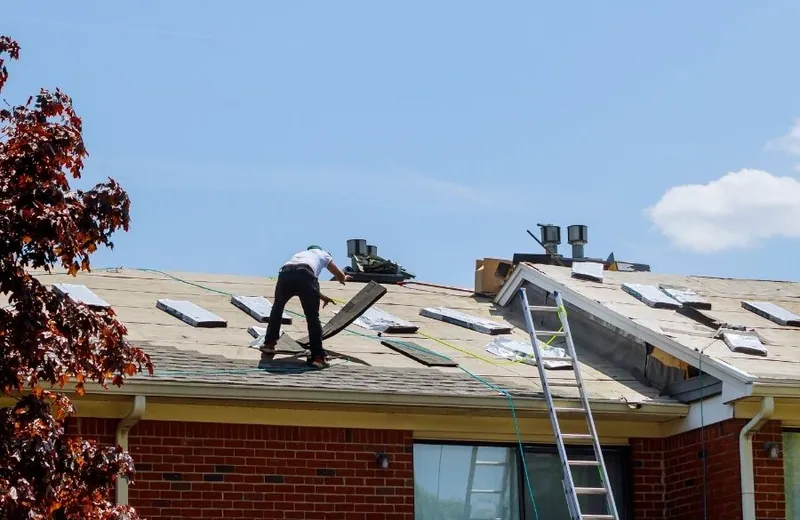
We repair hail bruises, wind-lifted shingles, limb punctures and worn-out sections. That includes roof shingle repair, roof patching and roof damage repair on asphalt, metal, tile and low-slope roofs, so you don't have to replace the whole roof when a repair will do.

Our approach

We find the cause first, not just the stain on the ceiling. We match the shingle or panel profile, replace damaged underlayment and decking, and reseal penetrations. You get photos of the problem before the repair and of the finished work.

In Austin, TX

After an Austin hailstorm, many roofs only need targeted repairs, especially when the damage falls under a 1–2% hail deductible. We tell you honestly whether repairing or filing a claim makes more sense for your home in Shady Hollow, Sunset Valley or anywhere else in our service area.

Best for

Homeowners with isolated damage, roofs under 12–15 years old, or damage too minor to justify an insurance claim.

Specialty

Roof Replacement, Installation & Winter Roof Replacement

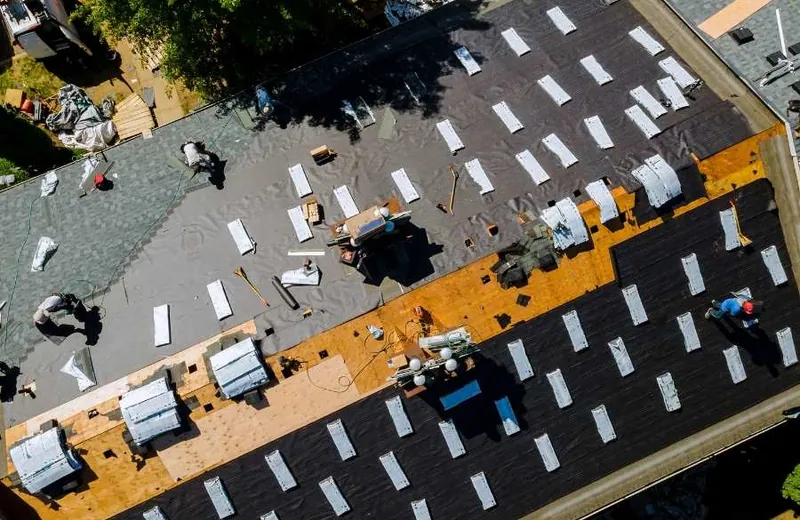
We do full tear-off and replacement of shingle, tile and metal roofs. That includes new decking where it's needed, code-compliant underlayment, ice/water barrier, drip edge, flashing and ventilation. We also install roofs on additions and new construction, and we schedule replacements all year, including mild winter months.

Our approach

We tear off to the deck as Austin code expects and inspect every sheet of decking. On older homes we replace skip-sheathing with solid decking, then install the system to the manufacturer's specifications. We handle City of Austin and suburban permits.

In Austin, TX

Pre-1940 homes in Hyde Park and Travis Heights often need a full re-deck. Tract homes in Circle C and Wells Branch need careful work at all those valleys. Winter installs avoid the summer heat and the post-storm backlog.

Best for

Roofs past 15–20 years, roofs with repeated hail damage, layered re-roofs, and homes being prepared for sale.

Specialty

Standing Seam, Steel & Residential Metal Roofing

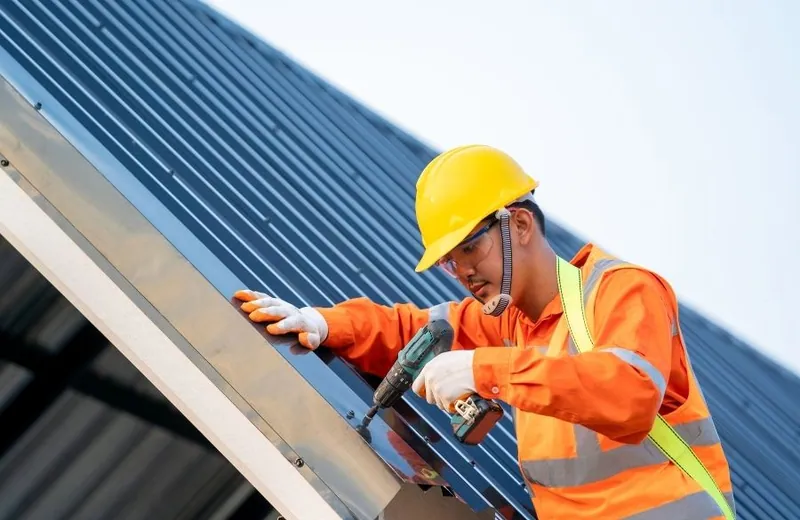
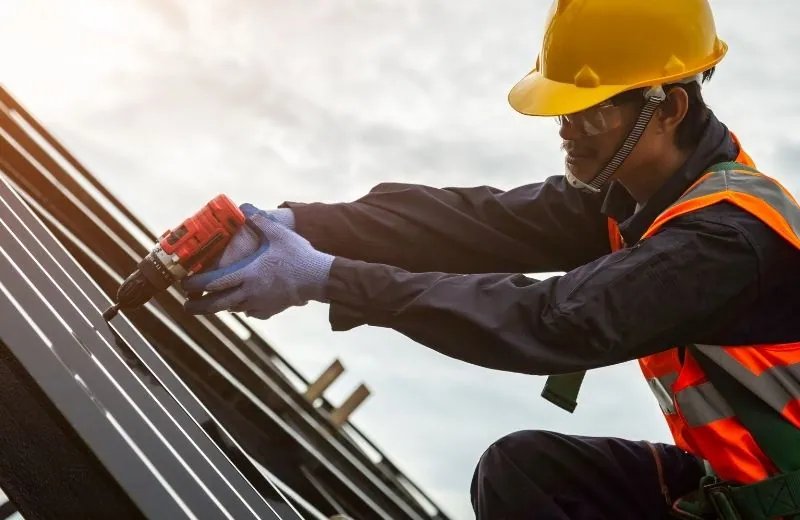
We install standing seam metal roofs, steel roofing and corrugated metal roofing for homes, barns and outbuildings. We also repair metal roofs and install flashing made for metal roofs and steel roofs, so panels move with the heat without leaking.

Our approach

We use concealed-fastener standing seam panels with clips that let the metal expand in 100°F heat. Underlayment is rated for high temperatures, and trim is fabricated to fit each roof. For corrugated and exposed-fastener systems, we use gasketed fasteners in the correct pattern for wind loads.

In Austin, TX

Metal fits the Hill Country look found in West Lake Hills, Rollingwood and Bee Cave. It reflects heat and handles hail well, and it suits ridgeline homes with high wind exposure. Many owners pick it because it's solar-ready.

Best for

West-side custom homes, owners staying for the long term, and anyone who wants a roof that can last 40+ years and is ready for solar panels.

Asphalt Shingle Installation: Architectural, 3-Tab & Impact-Resistant

We install architectural shingles, 3-tab shingle roofing and Class 4 impact-resistant shingles. We help you pick colors and profiles that will get through your HOA's architectural review.

Our approach

We hand-nail or carefully calibrate nailers for correct placement, use starter strips and sealed ridge caps, and install ice/water barrier in the valleys. We also balance ventilation so the attic heat doesn't void your shingle warranty.

In Austin, TX

Class 4 shingles often earn Texas insurance discounts. Under Texas Property Code §202.011, HOAs in Avery Ranch, Steiner Ranch and Pflugerville can't simply ban impact-resistant shingles that blend with the neighborhood.

Best for

Suburban homes, HOA neighborhoods, and homeowners who want lower premiums at a moderate cost.

Tile, Slate, Cedar Shake & Copper Roofing

We install and repair premium roofing: clay and concrete tile roofing, slate roof installation, cedar shake roofing and copper roofing, including copper accents, bay roofs and custom flashing.

Our approach

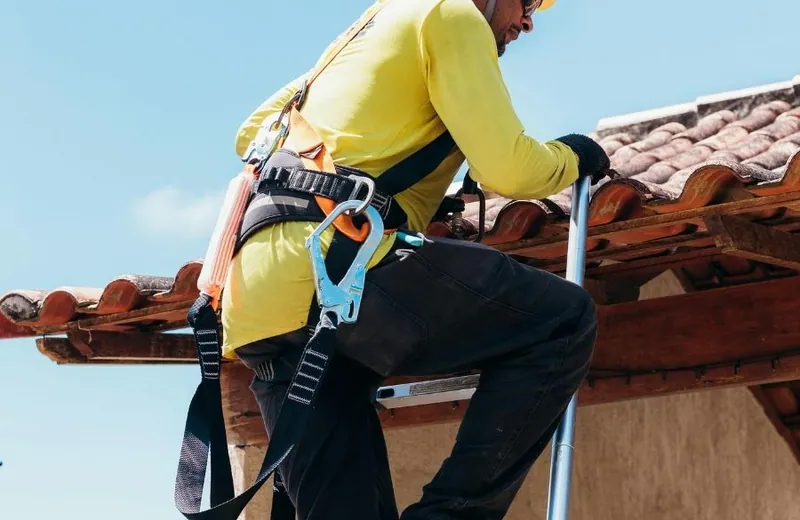
We follow the fastening and underlayment requirements for each material, use correct batten and foam-set methods, and walk tile and slate carefully to avoid breaking pieces. Complex roof planes are staged for safety before work starts.

In Austin, TX

Steep, multi-plane roofs in Barton Creek, Westlake and Hudson Bend call for specialists who know how to stage on a hillside. On historic homes, keeping the original material can make Landmark Commission review simpler.

Best for

Luxury and historic homes where design, longevity and keeping the original materials matter most.

Flat Roof Repair & Replacement: TPO, EPDM & Coatings

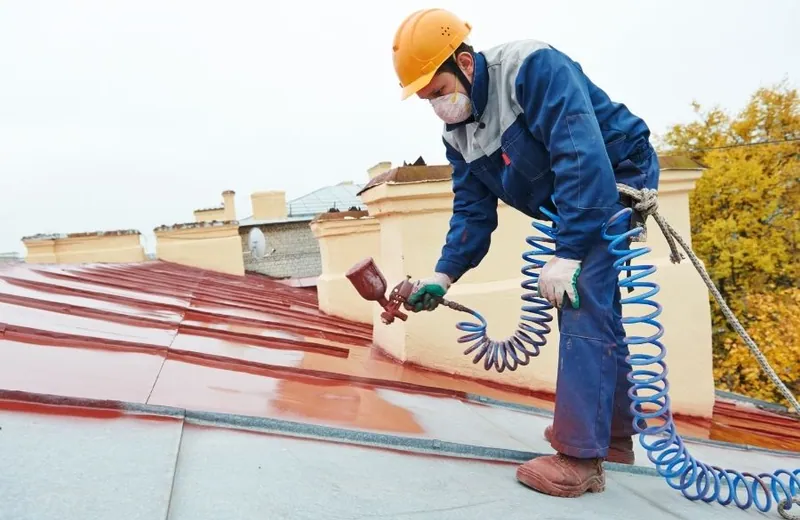
We repair and replace flat and low-slope roofs with TPO roofing and EPDM rubber roofing. We also do roof waterproofing and apply roof coatings to extend the life of membranes that are still sound.

Our approach

We heat-weld TPO seams and fully adhere or mechanically attach the membrane depending on the deck. We use tapered insulation to stop ponding water, and we apply elastomeric or silicone coatings after cleaning and prepping the surface properly.

In Austin, TX

Modern infill homes in Mueller, Zilker and east Austin often have low-slope sections and parapets where most leaks start. White TPO also reflects Austin's summer sun and helps with energy code reflectance requirements.

Best for

Modern homes, additions, porches, and low-slope commercial buildings.

Commercial Roofing & Commercial Roof Repair

We repair, recoat and replace roofs on offices, retail centers, churches and small commercial buildings, using TPO, EPDM, metal and coating systems.

Our approach

We survey the roof, find leaks and moisture under the membrane, and then build a plan that fits your budget. That may be targeted repairs, a restoration coating or a full replacement. Work is scheduled so your business can keep running.

In Austin, TX

Commercial buildings along the Austin growth corridors toward Del Valle and Manor take the same hail and heat as homes, and they often have ponding issues on older built-up roofs.

Best for

Property managers and business owners who need fewer leaks and roof spending they can predict.

Roof Inspection, Leak Detection & Maintenance

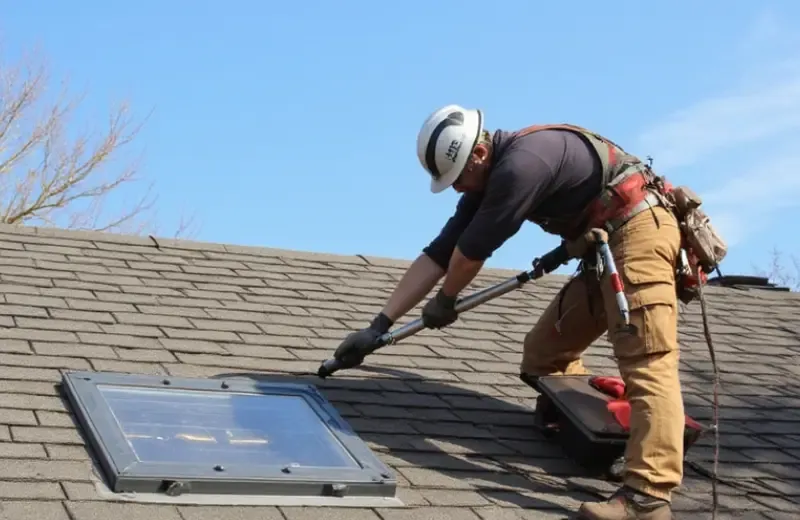
We do roof inspections for buyers, sellers, insurance claims and routine checkups, plus roof leak detection and repair, skylight leak repair, roof maintenance and roof restoration.

Our approach

We walk the roof and inspect the attic and penetrations, documenting everything with photos. You get a written report that rates the condition, lists any defects and estimates the roof's remaining life.

In Austin, TX

In Austin's fast real estate market, a documented roof inspection helps buyers in Tarrytown or Rollingwood negotiate and helps sellers avoid surprises at closing. After a hailstorm, it gives you solid evidence for your adjuster.

Best for

Home buyers and sellers, homeowners after a storm, and anyone whose roof is more than 10 years old.

Emergency Roof Repair & Tarping

We handle emergency roof repair, emergency roof tarping, roof tarp installation and temporary patching to stop active leaks after hail, wind, limb strikes or freezes.

Our approach

We secure heavy-duty tarps with battens, not just sandbags. We remove fallen limbs safely, dry-in any exposed decking and document the damage for your insurance claim before the permanent repair.

In Austin, TX

Storms like Uri and the 2023 ice storm show how fast oak limbs can open an Austin roof. Quick dry-in protects the drywall and insulation and helps support your claim.

Best for

Active leaks, roofs punctured by limbs, and wind damage that leaves decking exposed.

Flashing, Chimney Leak & Drip Edge Repair

We do roof flashing work, chimney flashing repair, chimney leak repair, roof drip edge flashing and steel roof flashing. We replace failed metal flashing at walls, chimneys, skylights and eaves.

Our approach

We install step and counter flashing that's cut into the masonry, add kick-out flashing at wall ends and put on new drip edge before underlayment and shingles go down. We don't rely on caulk alone.

In Austin, TX

Foundations on clay soil east of I-35 move, and that pulls flashing open. Wind-driven rain in Flash Flood Alley then finds every gap.

Best for

Recurring leaks at chimneys, walls or skylights, and roofs with caulk-only flashing.

Ventilation, Soffit & Fascia, and Gutter Guards

We install roof ventilation, soffit and fascia, and gutter guards, which together cut attic heat, prevent rot and keep oak debris out of your gutters.

Our approach

We calculate balanced intake and exhaust, install ridge and soffit vents, replace rotted fascia boards and fit guards that suit the gutter type and the leaf load from your trees.

In Austin, TX

Ranch homes in Allandale and Crestview often lack enough ventilation. West-side homes under live oaks need gutter guards to handle the heavy spring leaf drop.

Best for

Hot upstairs rooms, rotted fascia, and homes with heavy tree cover.

Freeze Services: Ice Dam, Roof Ice & Snow Removal, Heat Cable

For Austin's rare but damaging freezes, we offer professional ice dam removal, roof ice removal, roof snow removal, gutter ice removal, roof heat cable/tape installation, ice dam leak repair, repair of water damage from ice dams and roof leak repair in winter.

Our approach

We remove ice with steam and hand tools, never hammers or salt that damage roofing. We install heat cable at known problem eaves and add ice/water barrier during the permanent repair.

In Austin, TX

Uri and the 2023 ice storm left low-slope sections and tile roofs leaking across Austin. We help homeowners prepare before the next freeze.

Best for

Homes with low-slope transitions, past ice-dam leaks or roofs that were damaged in a freeze.

Simple & Transparent

How Our Roofing Process Works

There are no surprises and no pressure. Every project follows the same five steps, so you always know what we found, what it costs and when your roof will be done.

Inspection & Photo Documentation

  • Walk the roof surface, valleys, flashing and penetrations
  • Check the attic for ventilation, decking condition and moisture
  • Photograph every finding, from hail hits to lifted flashing
  • Note tree overhang, access and slope safety needs

On steep hillside homes in West Lake Hills or Rollingwood, we may use drones or extra safety staging to inspect without damaging tile or slate.

Usually within a few days of your call; about 45–90 minutes on site

Written Estimate & Options

  • Review the photos with you in plain language
  • Give a written, itemized estimate before any work begins
  • Compare options: repair vs. replace, shingle vs. metal, Class 4 upgrades
  • Explain financing options if you want them

If you're thinking about filing a hail claim, we help you weigh the damage against your percentage-based deductible. We never offer to waive a deductible, because Texas law prohibits it.

Typically within 1–3 business days of inspection

Permits, HOA & Insurance Coordination

  • Pull City of Austin or suburban building permits as required
  • Prepare HOA architectural submittals with material samples
  • Share documentation with your adjuster on insurance jobs
  • Order materials and confirm the schedule

West Lake Hills, Rollingwood, Sunset Valley and Bee Cave each have their own rules. Historic districts like Hyde Park may need Landmark Commission review.

About 1–3 weeks, depending on jurisdiction and HOA

Installation Day(s)

  • Protect landscaping, AC units, pools and driveways
  • Tear off to deck and replace damaged or skip-sheathed decking
  • Install underlayment, ice/water barrier, flashing, ventilation and roofing
  • Collect debris and run magnets over the yard each day

In summer, crews start early to beat the heat, both for crew safety and so shingles seal properly. Tree canopy and hillside access are planned before day one.

1–3 days for most homes; 1–2+ weeks for tile, slate or large standing seam

Final Walkthrough & Documentation

  • Walk the finished roof and property with you
  • Provide completion photos of key details like flashing and vents
  • Coordinate any required final inspection
  • Hand over warranty and material paperwork

Completion photos and paperwork come in handy when you sell in Austin's market, and they help with insurance discounts on Class 4 roofs.

Same day as completion; city final inspection as scheduled
The West Austin Top Roofers Difference

Why Austin Homeowners Choose West Austin Top Roofers

Built Around West Austin's Hillsides, Pitches and Trees

A steep, multi-gable roof on a Westlake ridge under a 60-foot live oak isn't the same job as a single-story tract home, and we don't treat it like one. Before the first shingle comes off, we plan the access points, safety staging, landscape protection and debris control for your lot. That planning protects your property, keeps our crew safe and lets us work carefully on tile, slate and metal. It's why homeowners in West Lake Hills, Rollingwood and Barton Creek call us for the jobs other roofers find awkward.

Proof, Not Promises: Photos of Every Finding

You shouldn't have to climb a ladder to trust your roofer. During every inspection we photograph what we find, including bruised shingles, cracked tiles, failed flashing and blocked vents, and we walk you through the pictures. That gives you clear evidence for an insurance adjuster, a home buyer or your own decision-making. If we don't find damage worth repairing, we'll tell you. Out-of-state storm chasers rely on homeowners not seeing the roof. We'd rather you see everything.

Written Estimates Before Any Work Starts

Every project starts with a written, itemized estimate, so you know the scope and price before work begins. We explain the line items that often surprise Austin homeowners, like decking replacement on older homes in Travis Heights or Hyde Park, where skip-sheathing and old layers only show up after tear-off. We tell you upfront how we price those unknowns, so a change on day one doesn't turn into a budget shock. Clear numbers make it easier to compare options and decide with confidence.

Bonded and Insured for Your Protection

Texas doesn't issue a statewide roofing license, so it's up to homeowners to check who's actually on their roof. West Austin Top Roofers is bonded and insured. If something unexpected happens on your property, you're protected, not left sorting out the liability yourself. We're glad to share proof of coverage before your project starts. On steep, high-value west-side homes, that protection matters as much as the quality of the work.

Close Attention to Flashing and Ventilation

Most leaks we're called to fix don't start in the middle of the roof. They start at a chimney, a wall, a valley or a skylight. Most early shingle failures we see in Austin come down to an attic that can't breathe in 100-degree heat. That's why flashing and ventilation get extra attention on every job. We replace flashing instead of caulking over it, and we balance intake and exhaust. A roof done this way holds up better through hail season and Flash Flood Alley downpours.

A Local Contractor, Not a Storm Chaser

We've served Austin since 2020, and our work stays within a 20-mile radius. We're here before hail season and still here after it, when warranty questions come up. We'll explain your options honestly, including when a claim isn't worth filing because of your deductible. We follow Texas Insurance Code rules and never offer to waive a deductible. Homeowners who've been burned by out-of-state crews tell us that's what they value most.

Financing That Makes the Right Roof Possible

A roof replacement is a big expense, and hail doesn't wait for a convenient time. We offer financing so you can choose the roof your home needs, like a Class 4 shingle upgrade or a standing seam metal roof, instead of settling for the cheapest patch. With Texas insurers paying actual cash value on older roofs, financing can help close the gap between a claim payout and a full replacement. Ask about financing when you get your estimate.

Trusted Locally

A Local Austin Roofing Contractor You Can Verify

Austin homeowners pick us for clear photo documentation, written estimates before work starts and crews who treat steep hillside homes and mature trees with care.

2020
Serving Austin Since
20 mi
Service Radius
100%
Written Estimates Before Work
Every Finding
Photo Documented
BondedInsuredFinancing available
Where We Work

Roofing Service Areas Around Austin, TX

We're based on Austin's west side and serve homes and businesses within a 20-mile radius. That covers the hillside neighborhoods west of MoPac, the fast-growing suburbs north and south of the city, and the new communities east of I-35. Each area has its own roofs, rules and weather exposure.

Austin & the West Side

AustinWest Lake HillsRollingwoodBee CaveHudson BendSunset Valley

South Austin & Southern Travis/Hays

Shady HollowManchacaBudaCreedmoorMustang Ridge

North Austin Suburbs

JollyvilleWells BranchPflugerville

East Travis County

Del ValleManorGarfieldWebberville

We serve properties within a 20-mile radius of west Austin. If you're near the edge of that range, call and we'll confirm coverage for your address. Not sure if we cover your area? Call (512) 710-1441.

Transparent Pricing

How Much Does a New Roof Cost in Austin, TX?

Roof costs in Austin vary a lot depending on the material, the steepness of the roof, its complexity and what turns up after tear-off. These are the factors that drive price here, plus realistic ranges for common projects. Your written estimate will itemize your exact scope.

Primary Factor

Roofing Material

Material choice has the biggest effect on price. Standard architectural shingles are the most affordable full replacement. Class 4 impact-resistant shingles typically add 10–25% but can earn Texas insurance discounts. Standing seam metal usually costs two to three times as much as architectural shingles. Clay tile, natural slate and copper sit at the top of the range. For each material we compare the upfront cost with how long it will last in Austin's hail and heat.

Primary Factor

Roof Pitch, Complexity and Access

A steep, cut-up roof with lots of valleys, dormers and gables needs more labor, more flashing, more waste and more safety equipment. Hillside homes in West Lake Hills, Rollingwood and Barton Creek often need extra staging, hand-carried materials and landscape protection. A simple low-pitch hip roof in Crestview can cost much less per square foot than a multi-level Westlake roof of the same size.

Secondary Factor

Decking Condition and Hidden Damage

Older central Austin homes often hide skip-sheathing, two or three old shingle layers, rotted fascia or decking damaged by Uri-era limbs. Code-compliant installs need solid decking, so replacing it can add anywhere from a few hundred dollars to several thousand. Your written estimate spells out the per-sheet price in advance so there are no surprises.

Secondary Factor

Ventilation, Flashing and Code Upgrades

Austin code requires current underlayment, ice/water barrier at valleys and penetrations, proper fastening and enough ventilation. Bringing an older roof up to code can mean new ridge vents, soffit intake, new chimney or wall flashing and drip edge. These items cost money but directly extend the roof's life in Central Texas heat.

Minor Factor

Permits, HOA and Jurisdiction

City of Austin and suburban cities like West Lake Hills, Bee Cave and Pflugerville charge permit fees and may require inspections. HOA approval adds paperwork and time, but usually little cost. In historic districts, keeping a matching material can affect your choices. We handle permits and include those costs in your estimate.

Typical projectDetailsEstimated range
Hail or wind repairReplace damaged shingles, reseal flashing and vents on a typical Austin home$450 – $2,000
Architectural shingle replacementAbout 2,200 sq ft single-story or simple two-story home in Shady Hollow or Wells Branch, tear-off, new underlayment, ventilation$11,500 – $19,000
Class 4 impact-resistant shingle replacementAbout 2,800 sq ft cut-up roof in Circle C or Steiner Ranch with multiple valleys$17,000 – $28,000
Standing seam metal on a hillside homeAbout 3,500 sq ft steep, multi-plane roof in West Lake Hills or Rollingwood with staging$45,000 – $85,000

Financing is available, so you can choose the right material and spread the cost of a replacement or upgrade over time. Ask about options when you get your estimate. A well-installed Class 4 or metal roof can cut insurance premiums, lower attic temperatures and appeal to buyers in Austin's competitive market. It often pays you back long after the cheapest bid would have needed replacing.

Questions & Answers

Austin Roofing FAQs

How much does a roof replacement cost in Austin?

Most Austin homes with architectural shingles land between about $11,500 and $19,000 for a full tear-off and replacement. Larger or more complex roofs run higher. Class 4 impact-resistant shingles typically cost $17,000 to $28,000 on a cut-up suburban roof. Standing seam metal on a steep west-side home can run $45,000 to $85,000 or more. Pitch, access, decking condition and code upgrades all change the price. We give you a written, itemized estimate with photos before any work begins, and financing is available.

How long does a roof replacement take?

Most shingle replacements take one to three days on site once materials arrive. Tile, slate and large standing seam projects can take one to two weeks or longer. The wait before installation varies more. Permits, HOA architectural approval and post-hailstorm demand can add one to three weeks. In summer, we start early in the morning so crews stay safe and shingles seal properly. We'll give you a realistic schedule with your estimate and keep you updated if weather pushes a date.

Do I need a permit to replace my roof in Austin?

Yes. Re-roofing inside Austin city limits requires a building permit from the Development Services Department, and inspections can include decking and final checks. West Lake Hills, Rollingwood, Sunset Valley, Bee Cave, Buda, Pflugerville and Manor each have their own building departments and rules. Unincorporated areas like Shady Hollow or Hudson Bend have limited county permitting, so contractor standards and HOA rules matter more. If your home is in a historic district like Hyde Park or Clarksville, changing materials may need extra review. We pull the permits for you.

Should I file an insurance claim after a hailstorm?

It depends on how much damage there is compared to your deductible. Many Texas policies now use wind and hail deductibles of 1–2% of dwelling value, and older roofs may only get actual-cash-value payouts. We inspect, photograph every impact and give you an honest opinion on whether the damage is worth a claim. If it is, we share our documentation with your adjuster. We never offer to waive or rebate a deductible. That's illegal under Texas Insurance Code §707, and a contractor who offers it is a red flag.

How long do roofs actually last in Austin's heat?

Usually less time than the label says. Standard asphalt shingles often last 15–20 years here because sun-facing slopes regularly go above 150°F and lose their protective oils. Builder-grade 3-tab roofs can fail sooner. Architectural and Class 4 shingles with good ventilation tend to last longer. Standing seam metal can last 40–50 years or more, and well-maintained clay tile or slate can outlast the house. Hail can cut any of these numbers short, which is why regular inspections matter.

How can I prevent roof damage between storms?

Start with ventilation. A balanced attic system cuts heat damage a great deal. Keep valleys and gutters clear of oak and pecan debris, especially after the spring leaf drop. Gutter guards help a lot on the west side. Trim limbs back several feet from the roof to stop abrasion and punctures. Have the roof inspected after major hail or wind and before you buy or sell. Fix small flashing problems early instead of caulking over them. If you're replacing anyway, a Class 4 or metal roof gives you more protection against hail.

When should I call a roofer right away?

Call right away if water is coming through a ceiling or light fixture, a limb has punctured the roof, shingles or panels have blown off and left decking exposed, or ice is backing up at the eaves during a freeze. We'll tarp or patch the roof to stop more water getting in and document everything for your insurance. Also call soon, though it's not an emergency, after any hailstorm with stones about an inch or larger, even if you can't see damage from the ground. Waiting can make hail damage harder to claim.

Is metal or shingle roofing better for Austin homes?

Both can work well, and the right choice depends on your budget, how long you plan to stay and your neighborhood. Class 4 architectural shingles cost less upfront, fit most HOA guidelines and often earn insurance discounts. Standing seam metal costs more but reflects heat, resists hail and wind, can last 40+ years and is ready for solar panels. It also suits the Hill Country style common in West Lake Hills, Rollingwood and Bee Cave. We'll compare the cost over the life of each roof for your specific home.

Find Us

Serving Austin, TX & Nearby

3600 Bee Caves Rd Suite 103, Austin, TX 78746, United States, Austin, TX, 78746

Ready When You Are

Schedule Your Austin Roof Inspection Today

Hail season, summer heat and falling oak limbs don't wait. Find out exactly what shape your roof is in, with photos and a written estimate, before a small problem becomes a ceiling leak.

  • A thorough roof and attic inspection by a local Austin contractor
  • Photos of every finding, explained in plain language
  • A written, itemized estimate before any work begins
  • Honest advice on whether to repair, replace or file a claim
  • Permit, HOA and insurance-documentation coordination
  • Bonded and insured crews who protect your property
  • Financing available for replacements and upgrades

Serving Austin, West Lake Hills, Rollingwood, Sunset Valley, Shady Hollow, Manchaca, Del Valle and communities within 20 miles.

Active leak or storm damage? Call now and ask about emergency roof repair and tarping to stop water getting in.

Bonded · Insured

West Austin Top Roofers Free estimates across Austin, TX